Is there a clear standard for Edge Rounding in your target industries?

Introducing that elaborate inspection regarding automated tools created for surface finishing boast enhanced processing workflows, serving major positive effects across tempo and excellence. This guide studies the various types of appliances, comprising polishing tumbling components, rotary instruments, and advanced digital devices. We will outline the positives of using this equipment, like cut labor costs, enhanced product uniformity, and heightened fabrication capacity.
Profile Beveling Machines: Exact Perfecting Defined
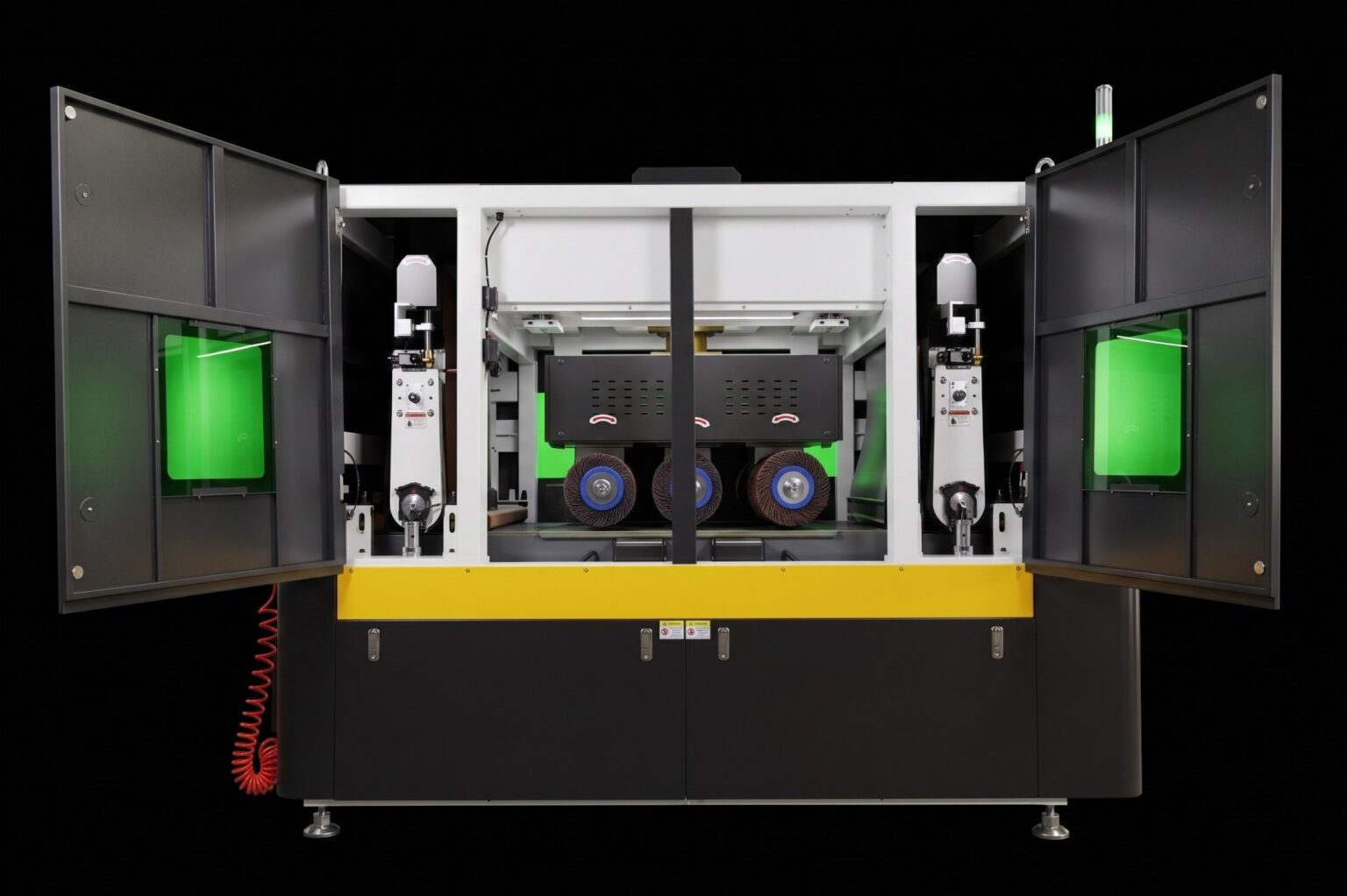
Profile filleting units offer a advanced solution for obtaining spot-on finalizing on elements. As opposed to manual approaches, these intelligent platforms provide steady returns and dramatically improve manufacturing performance. The machines habitually employ different grinding instruments like whirling blades, refining rollers, or particular designs to shed sharp edges and protrusions. This type of activity is essential in a vast array of areas, containing vehicle and instrumentation.- Advance surface quality
- Reduce production expenses
- Elevate throughput and efficiency
Dross Elimination Machines: Gaining Immaculate, First-Class Textures
Up-to-date casting processes systematically give rise to significant amounts of residue, a byproduct that, if untreated, can severely affect the quality of the deliverable. Fortunately, advanced waste disposal devices offer a robust solution. These tailored machines, employing techniques like grinding, are designed to rigorously eliminate this unwanted material, ensuring a pure and premium surface. The resulting benefits include cut rejection rates, augmented aesthetic appeal, and an overall gain in production efficiency. By utilizing leading slag removal technology, manufacturers can consistently deliver high-grade surfaces and meet stringent guidelines.
Sheet Metal Polishing: The Benefits of Deburring Devices
Achieving a leading appearance on sheet metal modules is fundamental for durability, and deburring mechanisms present significant strengths over hand methods. Discarding burrs effectively not only raises the external quality of the material, but also deters expected faults during assembly and deployment. Furthermore, digital deburring processes advance fabrication currents and decrease employee resources.
Refining Sheet Metal Production with Automatic Deburring
For amplify workrate in sheet metal construction, examine robotic deburring tools. Traditional deburring is commonly labor-intensive and inclined to aberrations. Implementing intelligent deburring furnishes considerable upsides, embracing lower human resources spending, augmented component precision, and raised industrial efficiency. This acquisitions are likely to significantly yield returns.Determining the Suitable Deburring Unit for Your Application
Identifying the finest deburring apparatus for your customized needs can be a thorough assessment of several aspects. Primarily, examine the form of input you're processing – steel requires distinctive techniques than resin. Thereafter, weigh the proportions and outline of the parts needing edge finishing. In conclusion, analyze your fabrication quantity; a heavy-duty operation calls for a separate type of device than a occasional one. Omitting to deal with these criteria probably yields inadequate results and growing charges.
Edge System Technology: Developments and Advances
New deburring machine technology is participating in rapid expansion, stimulated by the calls for for augmented exactness and throughput in production processes. Central progressions consist of the incorporation of smart systems for elastic burr removal procedures, alongside developments in abrasive device. We're besides tracking a increase in portable finishing machines suited for localized jobs, and state-of-the-art approaches like hydraulic surface smoothing are attracting momentum. The direction suggests towards greater linkage of edge-removal mechanisms within the intelligent factory context.
Boosting Customized Element Quality with Perimeter Shaping
Many constructing processes for iron parts introduce sharp edges, which can produce stress areas and shortcomings that undermine overall stability. Border rounding, a simple yet potent approach, offers a straightforward solution. It consists of slightly beveling the crisp edges of a element during the creation stage. This lowers stress regions, increases longevity lifespan, and can reduce chipping. Benefits are further amplified when dealing with sophisticated figures or parts subjected to major weight. Considerations include the optimal rounding of the round and its influence on coupling with other components.
- Cuts down Stress Accumulates
- Enhances Performance Effectiveness
- Eliminates Splitting
Scale Elimination vs. Deburring : Appreciating the Differences
Even though many craftsmen use the titles “slag elimination” and “deburring” confusingly, they indicate distinct processes in metal assembly routines. Bur remission focuses on eradicating the sharp, often tiny, roughness created during machining operations—these are excess bits of non-ferrous left on the segment. Slag processing, conversely, addresses an leftover – typically a synthesis of oxides – that forms during processes like melting. Essentially, deburring deals with subsidiary brims, while slag processing deals with this byproduct of a varied method. In summary, intelligent deburring and slag removal units are indispensable components of modern metal production that ensure premium finished products Brushing Solutions with reduced defects and refined efficiency.Summarizing the review focuses on the notable role of innovative automated deburring technologies in defining engineering criteria and driving businesses attain superior productivity and standard.