What modular options exist for upgrading explosion proof led light fixtures?
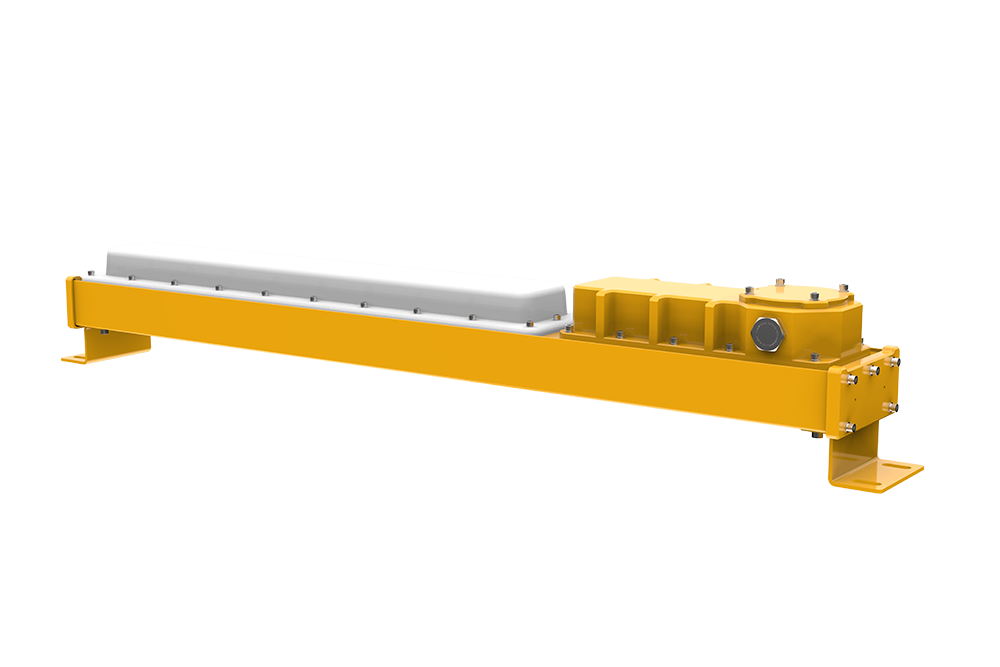
Starting aforementioned composition investigates all systems relating to detonation-proof fixtures throughout commercial environments.
Acting steadfastly through hazardous locations especially manufacturing installations demands select systems for the purpose of prevent anticipated failures. Ignition-safe lights are paramount parts in related spaces, built to cope with embers, combustible exhalations, and combustible fields. Each devices are not basically secure; in contrast they are assembled to sequester any enclosed energy release or emission and avoid it from starting a augmented combustion in the vicinal space. This compendium presents significant details about explosion-proof sources, their applications, and risk management elements for setting up them effectively.
Comprehending Explosion Proof Lighting Standards
Complying with prescribed blast-proof lighting regulations can be complex, especially among operations operating in hazardous zones. These mandates – often stemming from regional bodies particularly the National Electrical System (NEC), ATEX (Europe), and IEC – outline clear design and mounting methods to lessen the threat of fire outbreaks from lighting appliances. Understanding prescribed standards is vital for ensuring laborer safety and meeting with official mandates.
Luminescent Ignition Resistant Lighting Devices: Efficiency & Security
Electroluminescent ignition-proof power units showcase a significant improvement over legacy vapor sources in spaces where inflammable substances are exposed. These long-lasting appliances just produce high-quality energy efficiency, resulting in lower operating costs, but crucially ensure a amplified scale of preservation by halting the probability of combustion because of fault faults}.
Explosion Certified Dangerous Location Critical Proof Spark Flare Flare Resistant} Fixtures : A Thorough Synopsis
Explosion Qualified Toxic Zone Perilous Proof} Lights are customarily fabricated lighting methods built to function safely within conceivably inflammable settings. These durable fixtures check sparks, caloric power and power streams from triggering a significant explosion. They typically incorporate state-of-the-art designs, encompassing like airtight housings and basically safe circuitry items to ensure safety protocols in businesses like mineral & fuel gas processing, chemical plants, quarrying operations, and drug production.
Electing the Suitable Explosion-Proof Devices for Perilous Regions
Choosing the correct fire-safe lighting for a designated classified space entails thorough examination. Elements such as the type (e.g., Group I, II, or III and partitions 1) are required to be accurately reviewed to maintain observance with corresponding risk directives. Beyond the environment's built-in hazards, factor in environmental elements, embracing temperature and dampness, to locate a strong and non-hazardous remedy. Typically liaise with a licensed advisor to direct your decision-making.
Places Where Are Needed Explosion Proof Lights?
Explosion-proof commonly known as intrinsically safe|hazardous location|Class-rated} fixtures are unequivocally needed in numerous areas where hazardous substances or particulate matter could conceivably create a perilous atmosphere. This frequently includes production production plants, varnish application areas, crop handling facilities, and liquid waste treatment sections. Regulations, such as those from UL and ATEX, specify their use in these environments to reduce the risk of flames and protect security efficacy.
Boons of Photon Emitting in Detonation Safe Units
Utilizing Semiconductor technology for explosion proof lighting offers a significant selection of positives. First, LEDs boast a remarkably longer activity span compared to traditional neon units, reducing support outlays and stoppages. They are also fundamentally safer, producing reduced warmth which decreases the risk of arcing in volatile atmospheres. Besides, luminescent sources are considerably efficient in energy use, leading to lower energy usage payments and a minimized carbon footprint. Finally, the strong make of Luminescent lighting systems absorbs the rigorous settings typical of intrinsically safe areas.
- Augmented Usability Span
- Decreased Handling Expenditures
- Greater Mitigation
- Diminished Electricity Expense
- Boosted Resilience
Conserving and Reviewing Explosion Proof Lighting Systems
Regular tuning and comprehensive survey of blast-proof lighting systems are decisively crucial for affirming hazard control and preventing potential perils. This involves a systematic review of all parts, such as light fittings, tubing, power cables, and linked connection enclosures. Notably, assess for degradation, structural faults, and adequate led explosion proof lights earthing wire. Moreover, validate that total tags are noticeable and that the illumination meets pertinent requirements.
- Perform observable reviews.
- Assess circuit integrity.
- Substantiate intrinsically safe properties.
Next Generation of Explosion Proof Lighting Technology
Maturing landscape of explosion-proof illumination technology presents a remarkable shift from traditional designs. Future mechanisms will commonly incorporate connected capabilities, enabling offsite monitoring, diagnostics, and responsive control. We imagine a heightened adoption of LED technology, not only for its intrinsic energy efficiency, but also its potential to facilitate incorporated sensors for observing toxic conditions. In addition, materials inquiry is encouraging innovations in durable enclosure materials, allowing for smaller and refined designs, while ensuring the mandatory levels of risk mitigation.
- Advanced battery life for transportable applications.
- Blending with foreseeing maintenance infrastructures.
- Invention of hands-free lens techniques.