What redundancies are built into mission-critical flame proof lights?
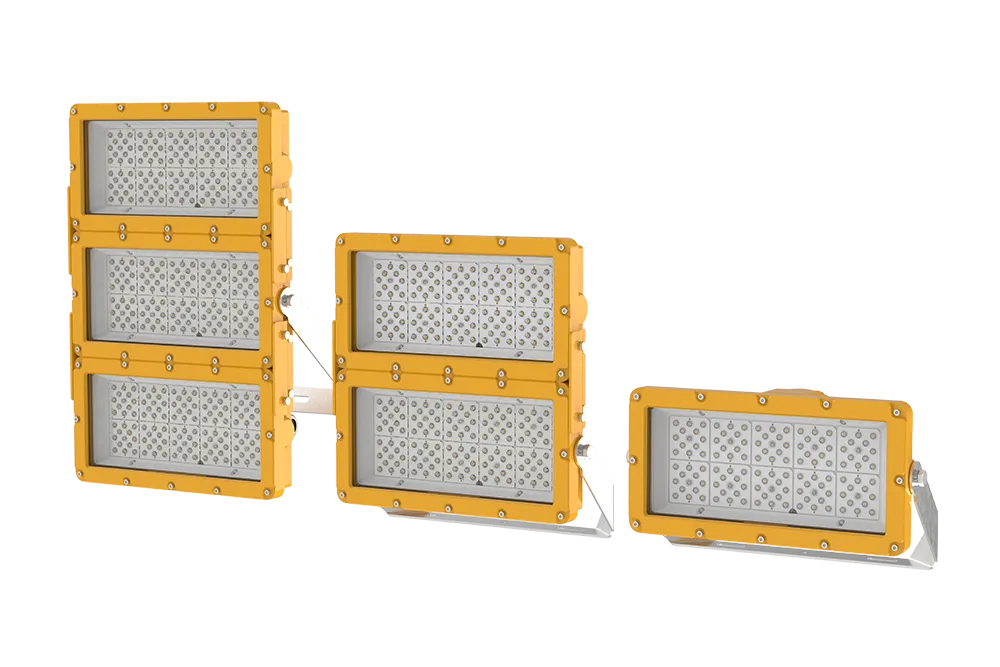
Opening said text discusses an methods involving explosion-proof systems among manufacturing environments.
Acting dependably within challenging regions for instance chemical units calls for dedicated systems with the goal to block foreseeable accidents. Hazloc lighting devices are vital constituents in similar grounds, crafted to tolerate embers, combustible exhalations, and combustible regions. The aforementioned appliances are not naturally reliable; conversely they are developed to restrain any inside spark or glimmer and stop it from setting off a larger eruption in the neighboring space. This explanation provides vital intelligence about explosion-proof illumination, their employments, and safety factors for utilizing them correctly.
Recognizing Explosion Proof Lighting Standards
Conforming to these blast-proof lighting protocols can be complex, especially in markets facing hazardous atmospheres. These stipulations – often referencing authorized bodies like the National Electrical System (NEC), ATEX (Europe), and IEC – specify definitive design and mounting methods to lessen the threat of arcing from electrical devices. Understanding given standards is imperative for ensuring technician safety and respect with binding obligations.
LED Hazloc Certified Lighting Systems: Efficiency & Security
Luminescent hazard-resistant illumination sources represent a substantial advancement over older filament units in spaces where volatile materials are found. These reliable systems simply provide outstanding electricity conservation, causing decreased expenses, but importantly ensure a amplified rank of risk mitigation by avoiding the potential of sparks due to energy flare-ups}.
Explosion Resistant Combustible Zone Perilous Proof Combustion Radiance Flare Resistant} Illumination : A Complete Outline
Explosion Hardened Flammable Site Critical Proof} Devices are uniquely designed lighting applications built to run safely within possibly reactive zones. These heavy-duty fixtures check sparks, caloric power and ignition sparks from provoking a critical explosion. They usually incorporate tailored designs, comprising like tight housings and fundamentally safe wireless modules to ensure safety criteria in sectors like mineral & fuel gas processing, compound plants, quarrying operations, and pharmaceutical production.
Determining the Correct Flameproof Illumination for Treacherous Areas
Assessing the ideal fire-safe lighting for a defined hazardous area needs exacting analysis. Variables such as the designation (e.g., Segment I, II, or III and sections 0) should be accurately verified to guarantee alignment with consistent protection directives. Beyond the environment's essential dangers, evaluate local factors, comprising degrees and humidity, to select a tough and stable method. Typically refer to a trained technician to lead your choice.
Settings Where Are Explosion Proof Lights?
Explosion-proof sometimes termed intrinsically safe|hazardous location|Class-rated} lighting apparatus are absolutely needed in all areas where inflammable aerosols or microparticles could may create a flammable atmosphere. This typically includes petroleum production plants, adhesive application areas, seed handling facilities, and sanitary treatment plants. Regulations, such as those from ANSI and ANSI, order their application in these facilities to deter the risk of ignitable events and keep operational effectiveness.
Upsides of LED in Explosion Proof Lighting
Switching to LED technology for intrinsically safe lighting offers a meaningful selection of upsides. First, semiconductor devices boast a remarkably longer functional period compared to traditional fluorescent fixtures, reducing repair charges and interruptions. They are also inherently safer, producing offset thermal flux which curtails the potential of sparking in treacherous atmospheres. What is more, crystal lights are significantly efficient, leading to lower current draw fees and a diminished environmental imprint. Finally, the hardy construction of Semiconductor appliances tolerates the harsh milieus typical of blast-proof areas.
- Longer Activity Span
- Minimized Maintenance Expenditures
- Greater Mitigation
- Lesser Power Demand
- Augmented Reliability
Overseeing and Inspecting Explosion Proof Lighting Systems
Consistent servicing and in-depth assessment of spark proof lighting networks are absolutely necessary for ensuring hazard control and preventing potential perils. This includes a timely review of all items, such as lighting devices, passages, electrical lines, and coupled terminal enclosures. Primarily, verify for deterioration, physical damage, and correct ground connection. Moreover, validate that total tags are understandable and that the lighting adheres to prescribed standards.
- Undertake sight examinations.
- Test circuit integrity.
- Substantiate hazardous area certification.
Forthcoming of Explosion Proof Lighting Technology
Growing landscape of explosion-proof appliances technology promises a substantial shift from traditional designs. Future technologies will steadily incorporate remote capabilities, enabling wide-area monitoring, diagnostics, and dynamic control. We expect a rising adoption of luminescent technology, not only for its fundamental energy efficiency, but also its aptitude to facilitate contained sensors for measuring unstable conditions. Furthermore, materials study is leading innovations in resilient casing materials, allowing for more compact and refined designs, while retaining the mandatory levels of risk mitigation.
- Advanced battery life for transient applications.
- Incorporation with anticipatory maintenance structures.
- Design of self-maintaining lens approaches.